
Distorted Bucharest – a project I almost didn’t share
I didn’t plan Distorted Bucharest as a long-term project. It started as a challenge.
At the beginning of January 2026, I came across an open call for a photography project. I found out about it late, which meant I didn’t have much time to think or overcomplicate things. I had to decide quickly what I wanted to do and why.
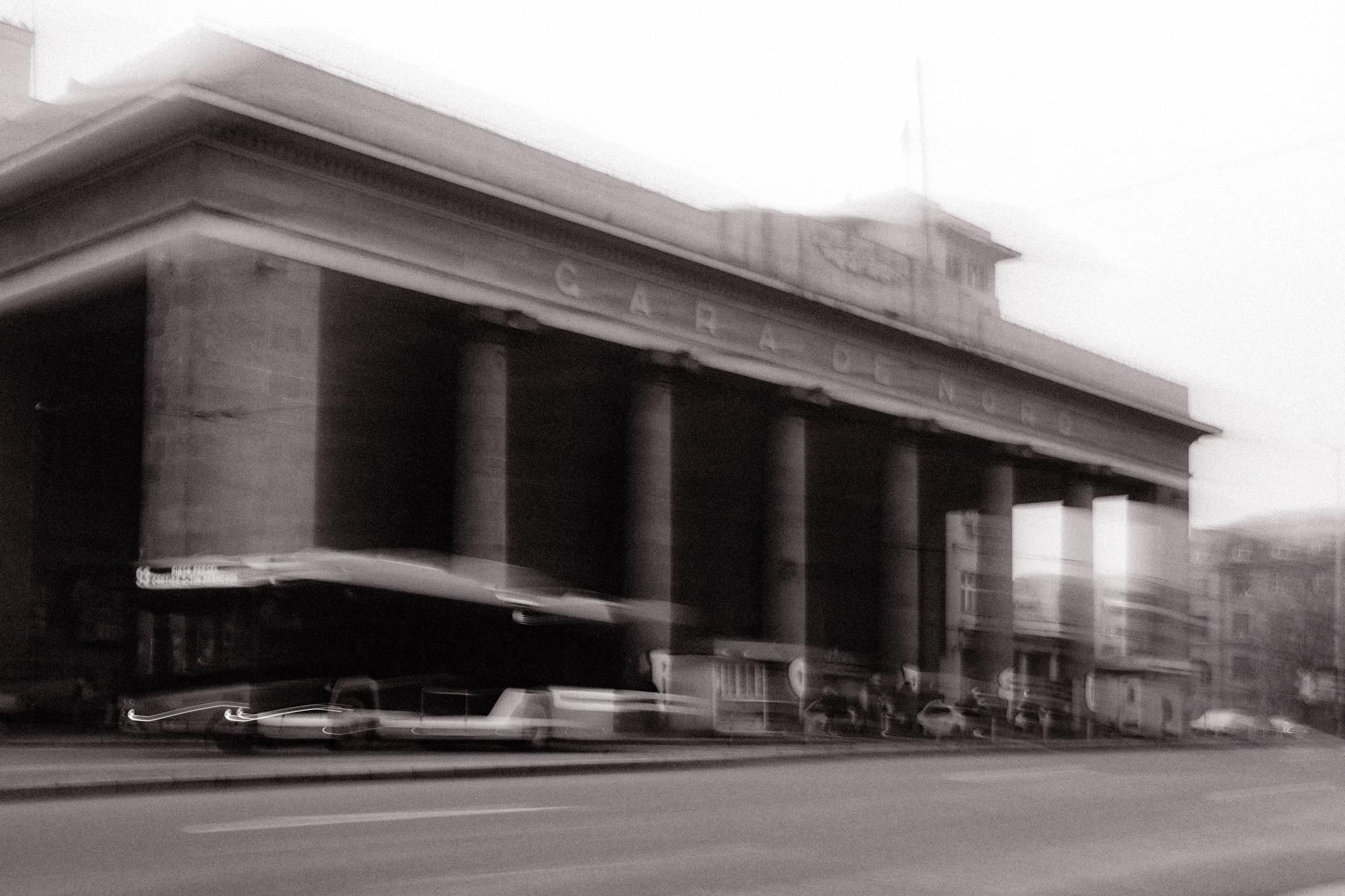
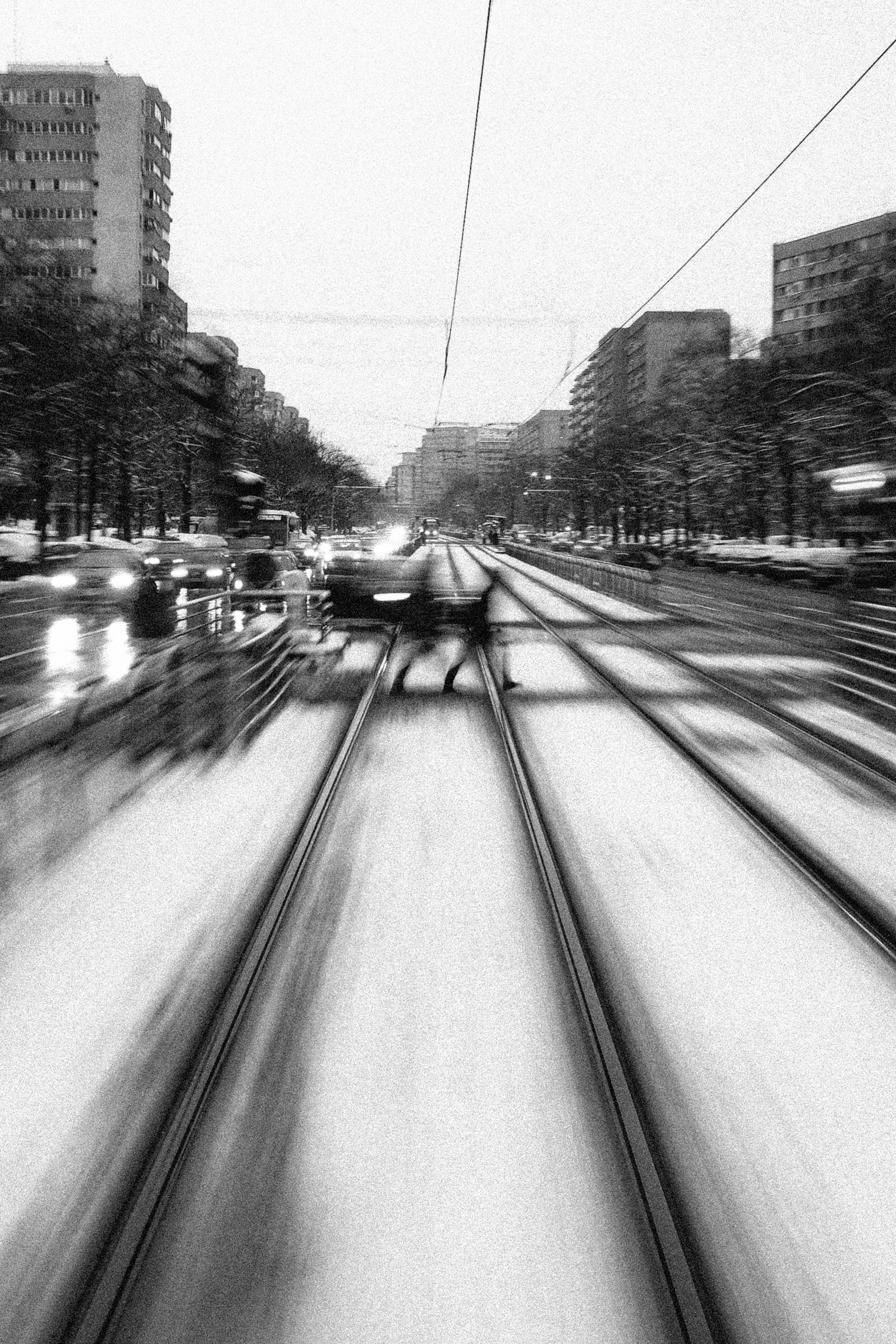
Bucharest North railway station
Around that time, I was spending a lot of time looking at surrealist photography. I had just received a few books with Olga Karlovac’s work, and her way of seeing things stayed with me. I also had a few conversations with a close friend, Moga, and those discussions helped me give direction to the project.
I didn’t want to document Bucharest in a clear way. I wasn’t interested in landmarks or recognisable places. I was more interested in how the city feels when you stop trying to read it correctly.
The idea
Distorted Bucharest became, for me, a way of seeing the city as something internal, not just physical. Not as a map, but as a collection of states, rhythms, and fragments that repeat and overlap. Familiar places started to feel unstable. Not broken, but slightly shifted. Less fixed. Harder to define.
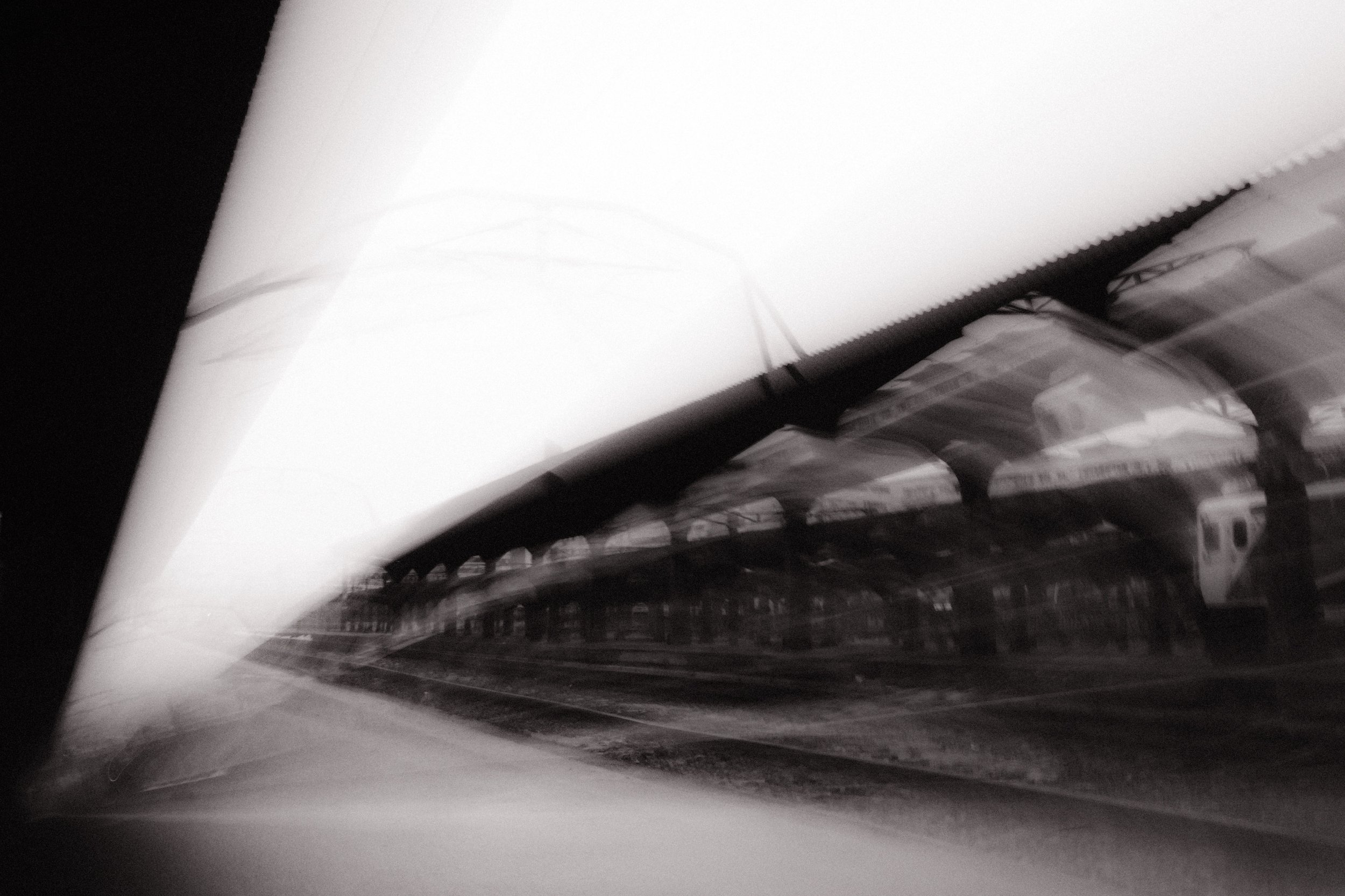
I realised I was not photographing the city itself, but the way I experience it. Movement, instability, stretched time. These became part of the language.
The process
I gave myself one weekend.
Both days, from morning until evening, I walked through Bucharest following a loose route. I didn’t have a strict plan. I just moved through the city and stopped whenever something felt right.
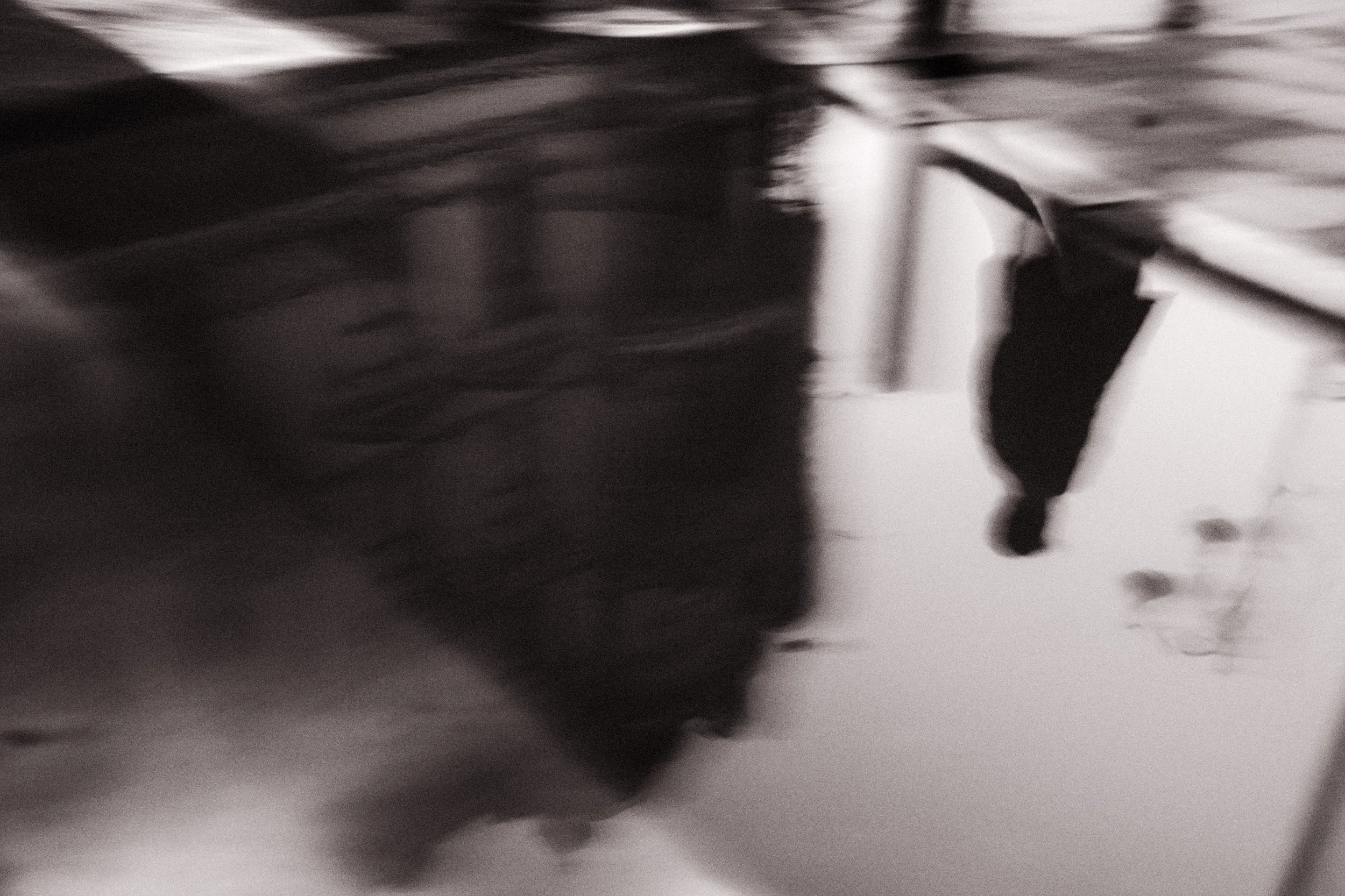
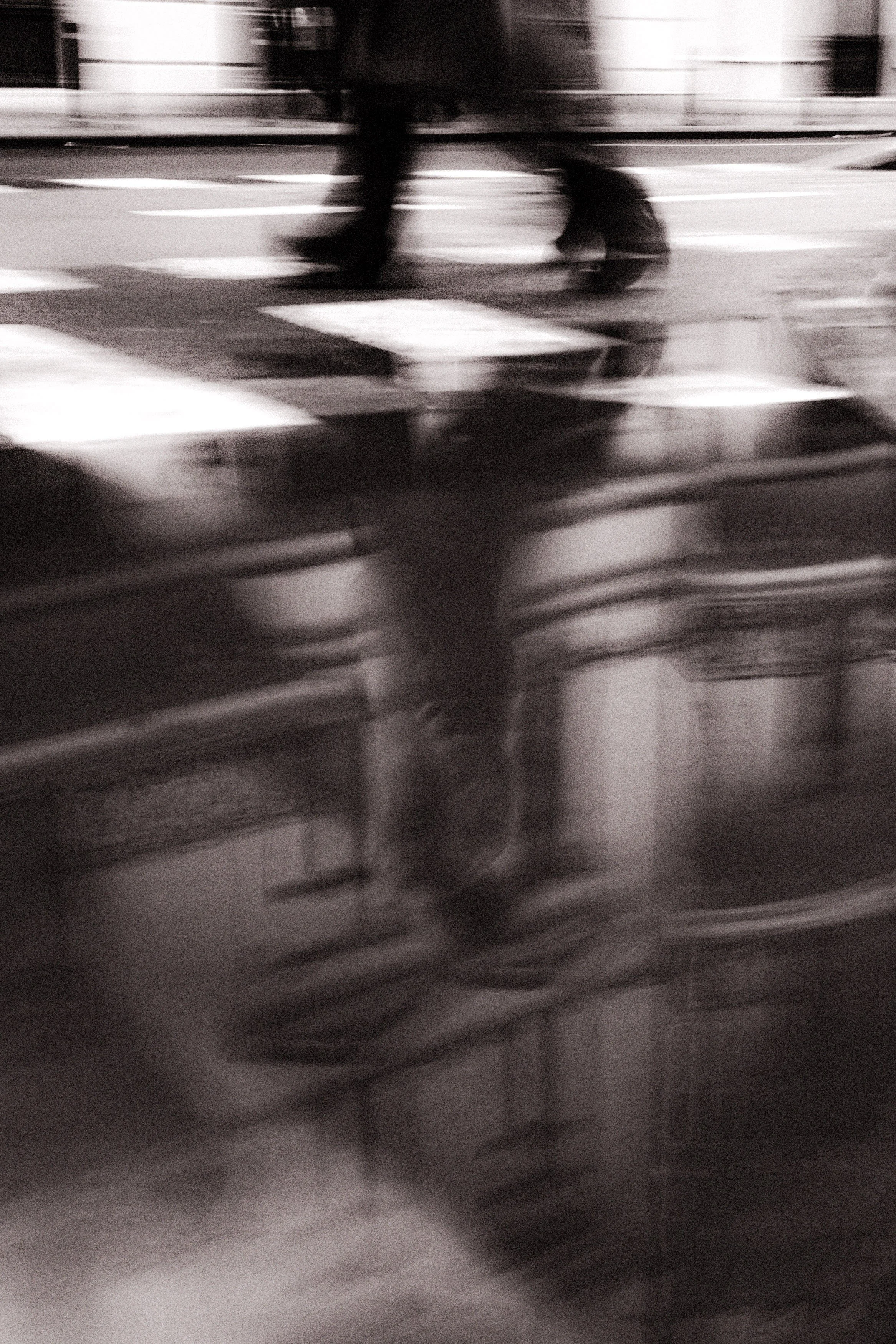
I wasn’t looking for subjects. I was looking for moments where the image starts to fall apart or transform.
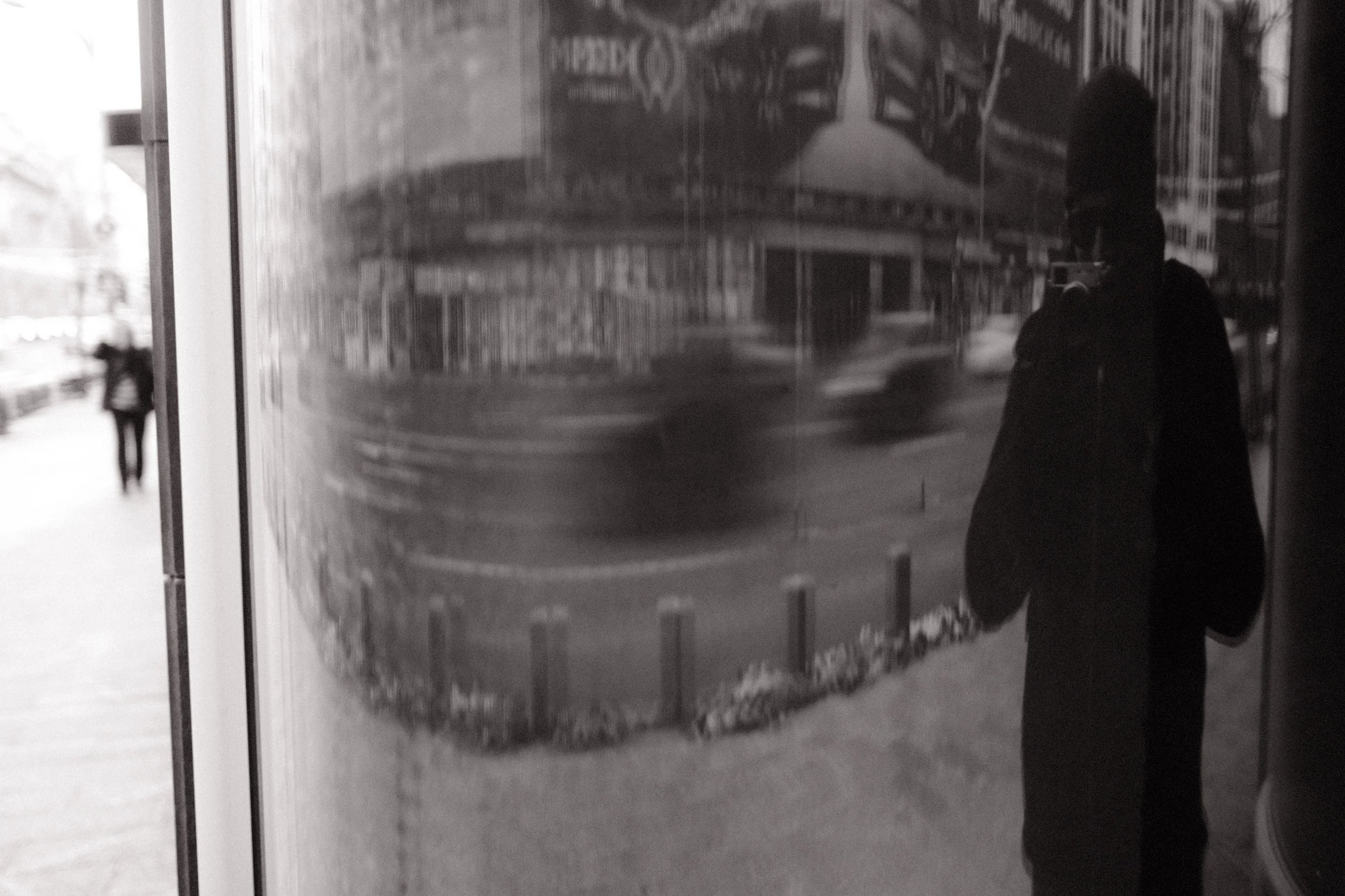
Light hitting glass. Reflections. People passing. Small fragments that normally disappear.
Technique
I used two main approaches:
• multiple exposures
• intentional camera movement
Both allowed me to move away from a fixed image and build something layered. Instead of capturing a single moment, I was trying to capture duration.
Time becomes visible. Movement softens edges. The image stops being descriptive and becomes something closer to a memory.
What it became
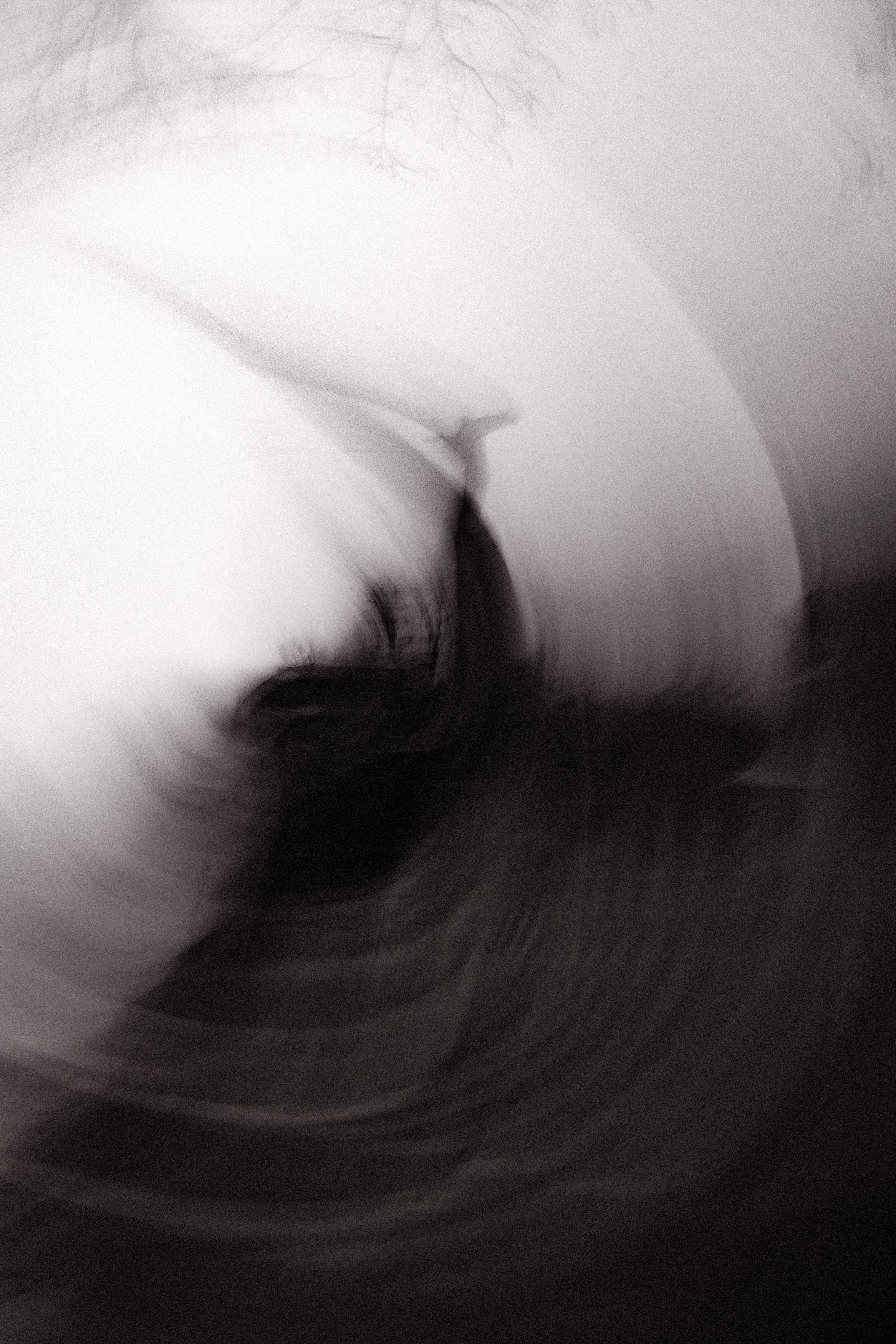
Distortion, for me, was not an effect. It became a way to clarify something emotional.
By layering moments and extending time, the images started to feel familiar in a different way. Not because you recognise the place, but because you recognise the feeling.
The city became less about where you are and more about how you exist in it.
What happened after
The project wasn’t selected. I sent it to a few magazines after that. No response.
For a while, that affected me more than I expected. I felt a bit of shame around it. Like maybe it wasn’t good enough, or maybe I was forcing something that didn’t work.
I didn’t publish it anywhere. Not even on my own Instagram. I kept it to myself.
Why I’m sharing it now
At some point, I realised it doesn’t matter. It’s still my project. It still says something real about how I see and how I work. And maybe that’s enough.
So I decided to put it out, as it is, without trying to reshape it or make it more acceptable.
